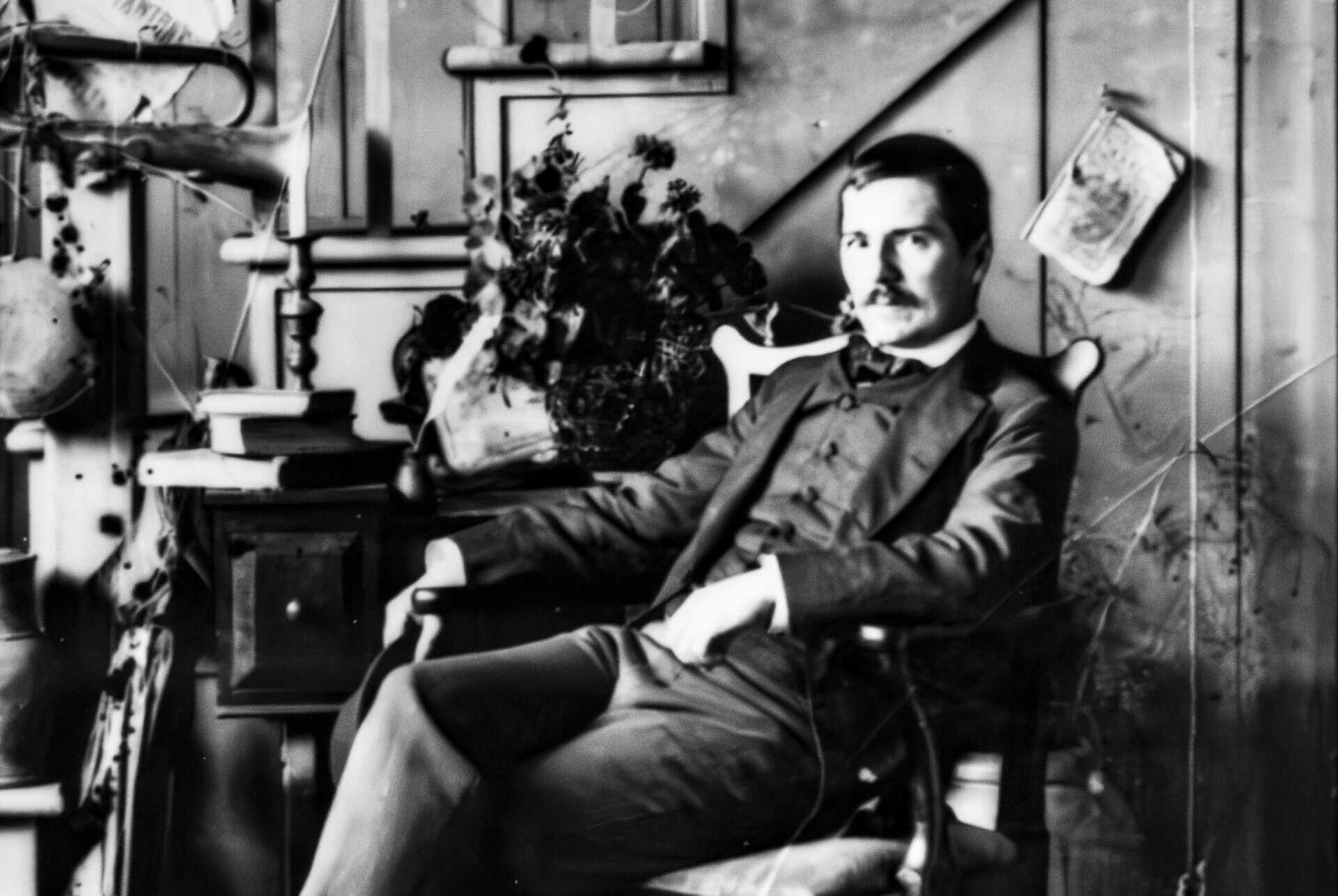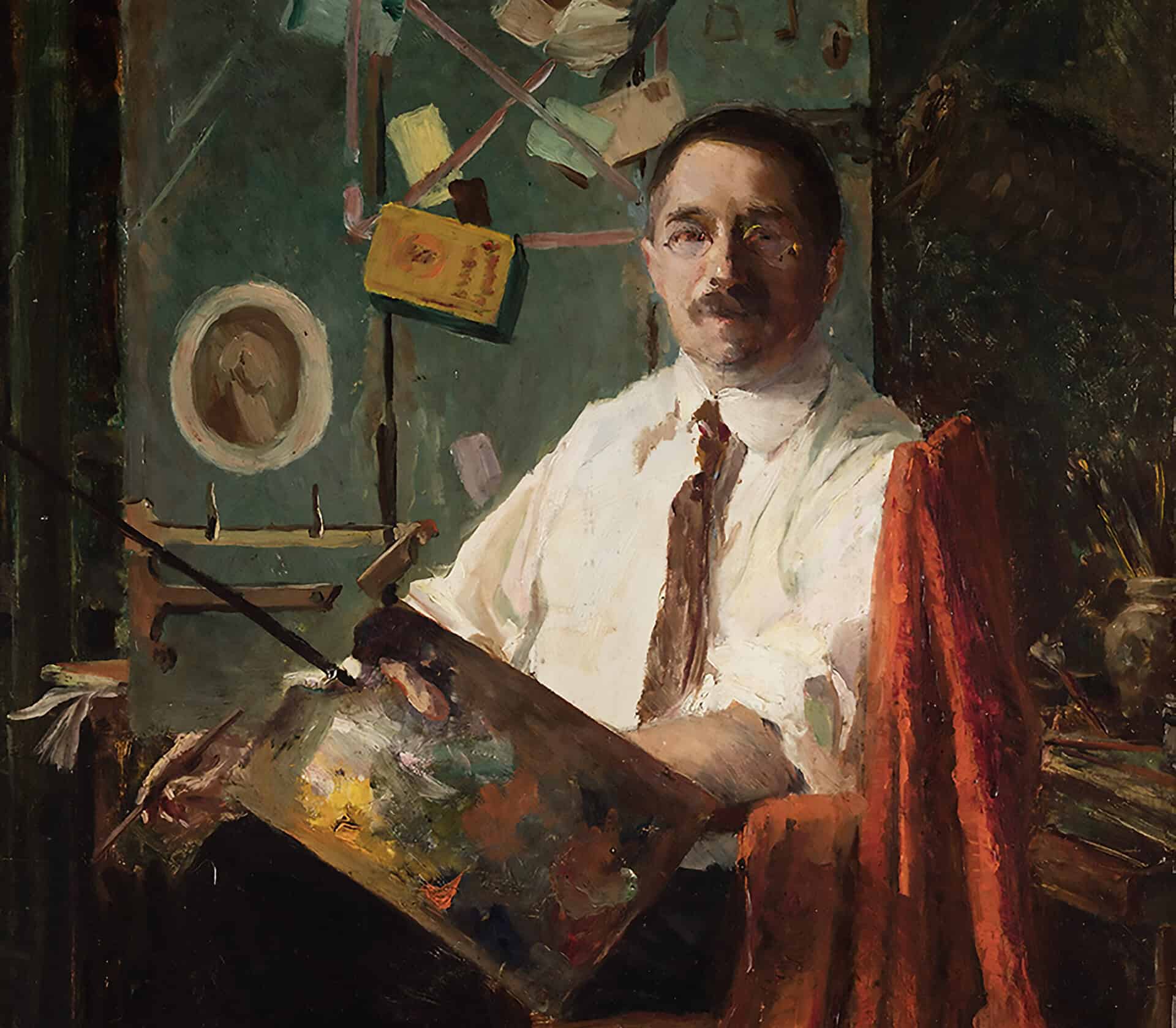
Pictured: John Frederick Peto, Painting Self Portrait with Rack Picture (detail)
A story about the John F. Peto Studio Museum will premiere on State of the Arts on Wednesday, June 22 at 8:30 pm, online and on air. The producer, Ilene Dube, writes here about what made her want to learn more about this nearly forgotten painter and his remarkable work.
Although the John F. Peto Studio Museum in Island Heights had been on my radar for years, what finally drew me there was an exhibit of work by the art collective MOVIS in fall 2025. Our tour guide introduced us to the intriguing history of John F. Peto, an important American trompe l’œil artist (trompe l’œil is a French term for “fool the eye,” a style of hyper realistic painting). Peto was unknown in his lifetime but is now in major museums around the world, from the Art Institute of Chicago to Madrid’s Thyssen-Bornemisza National Museum, with lots of stops in between including the Metropolitan Museum, the Museum of Modern Art, Philadelphia Museum of Art, and the State Museum of New Jersey.
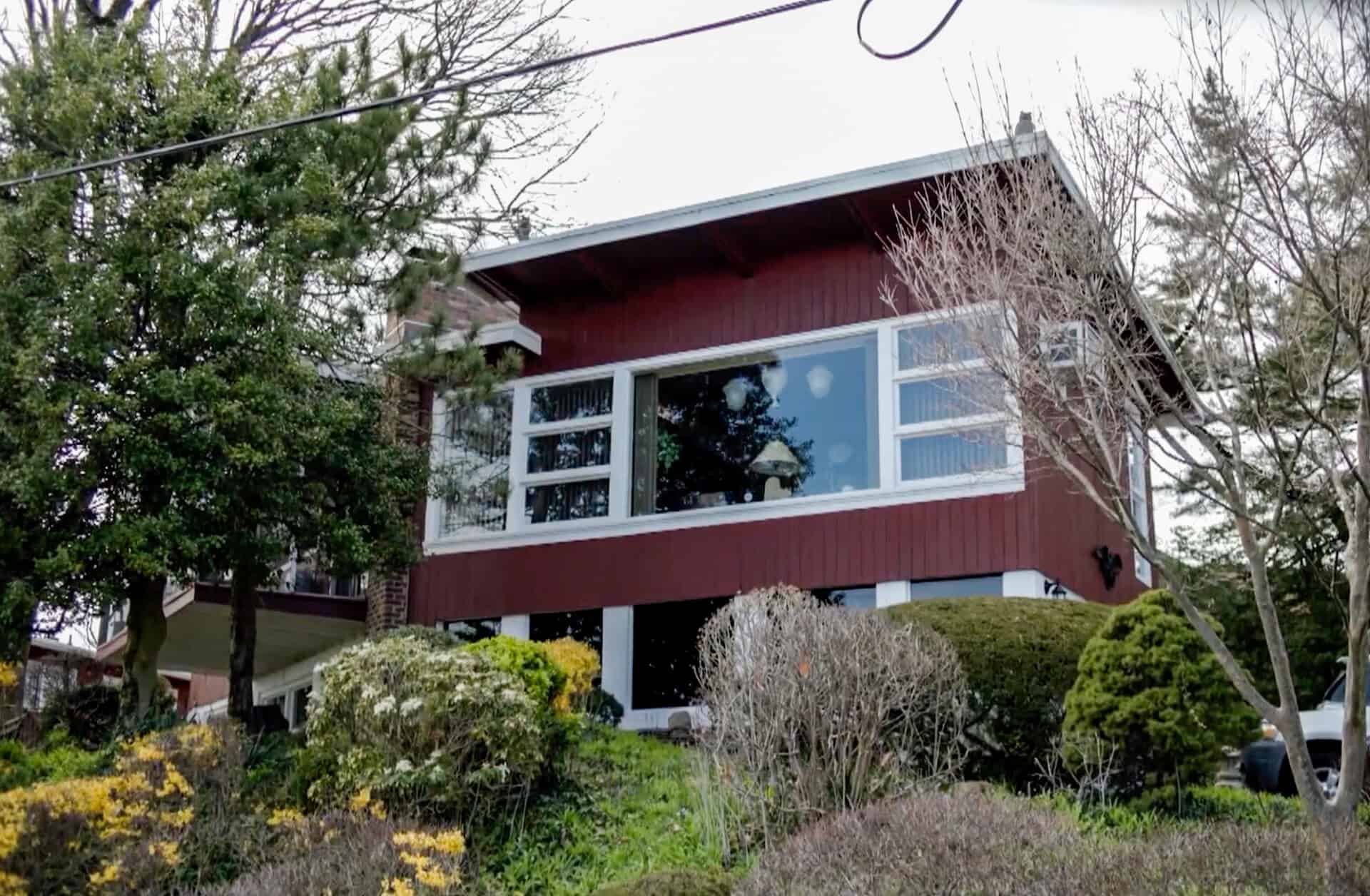
From our tour guide, who, as the museum’s curator, possessed immense knowledge about Peto, we learned about the house, designed by the artist, and its storied history. It was once known as “the scary house” before its restoration as one of the National Trust for Historic Preservation’s Artists’ Homes and Studio Museums.
Rita Asch, a MOVIS artist, refers to it as a hidden gem—just the kind of thing State of the Arts likes to discover and share with the public.
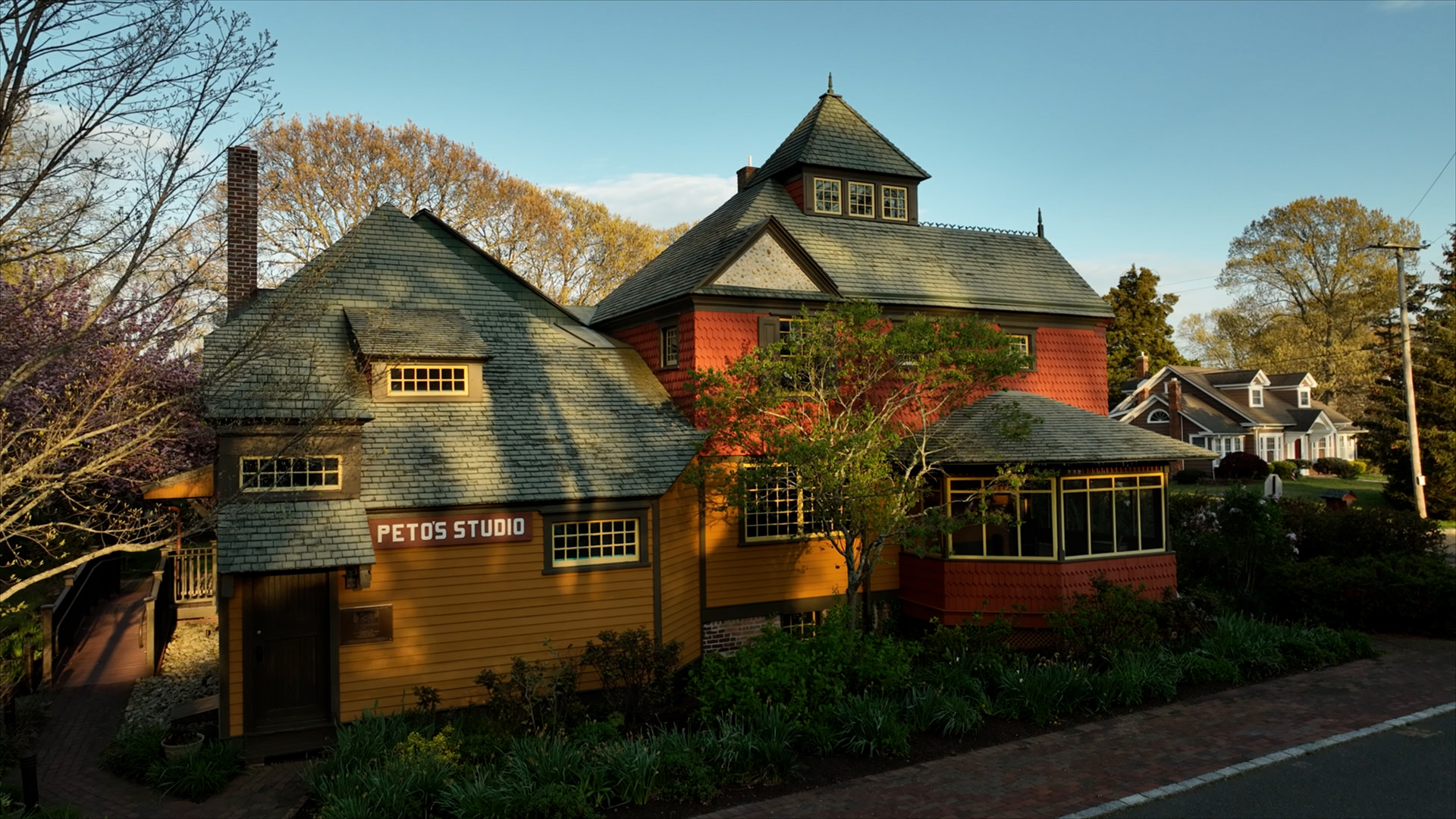
The John F. Peto Studio Museum in Island Heights, NJ
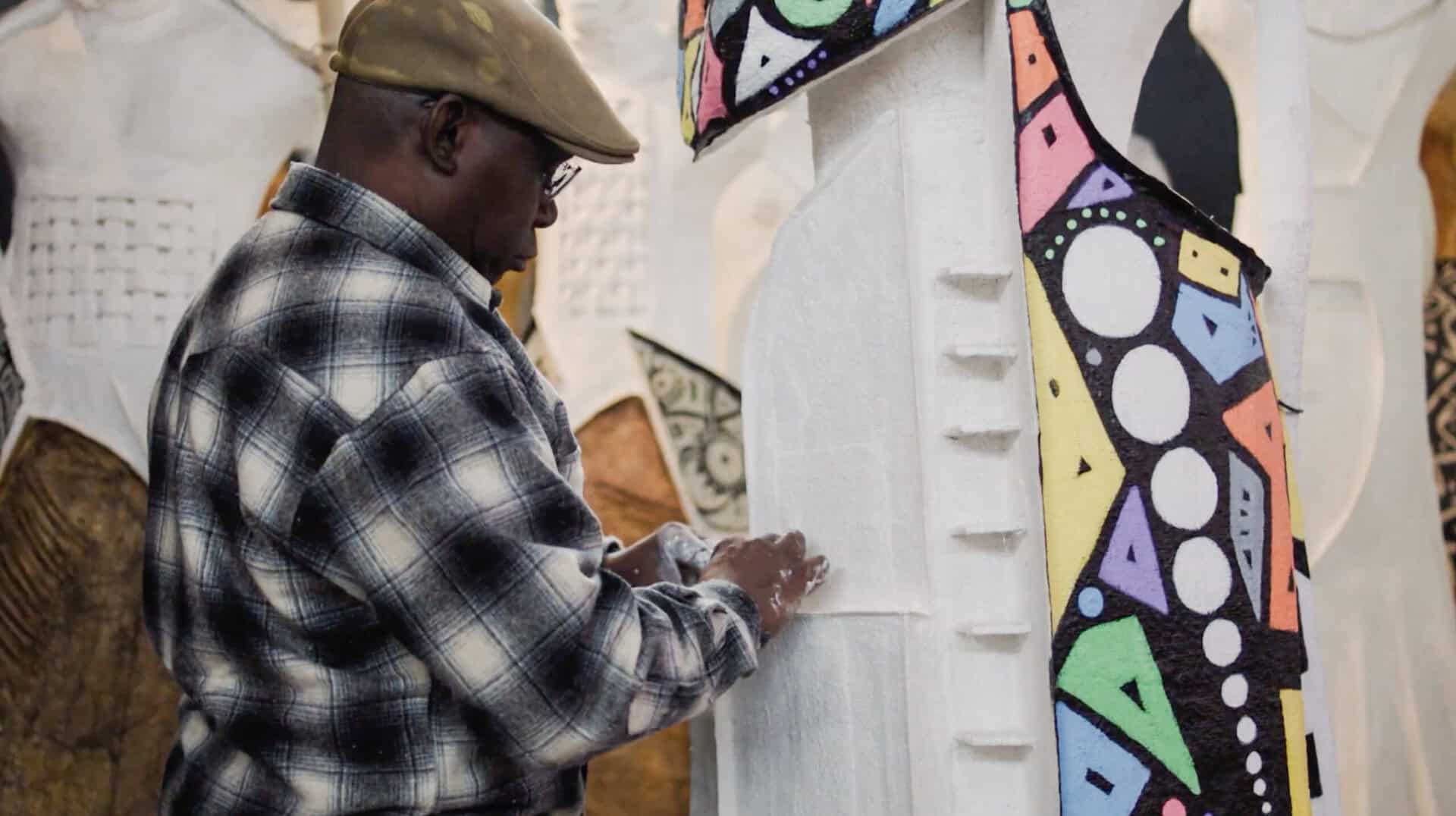
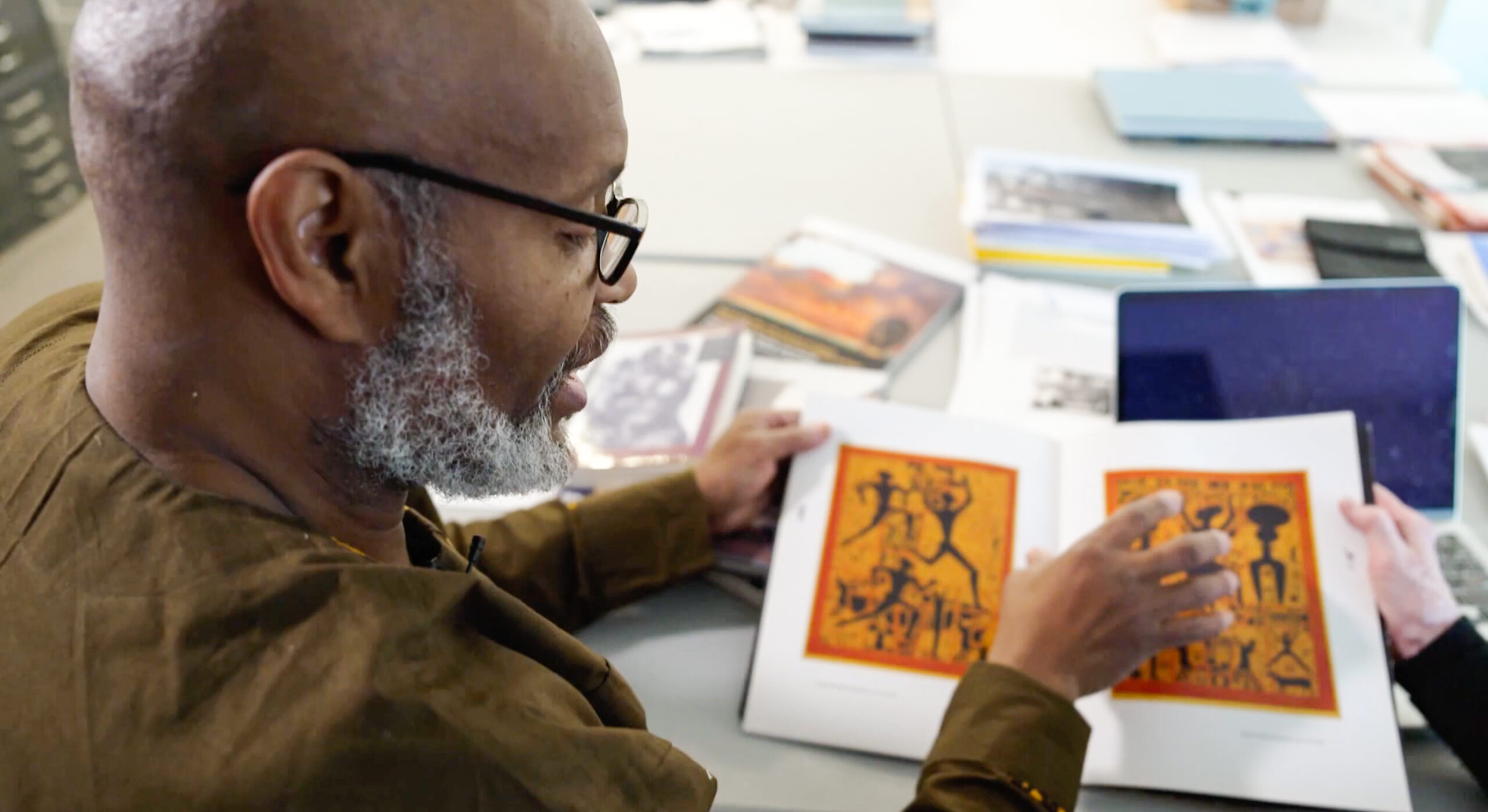
The MOVIS show included a work of fiber art by Harry Bower, an artist whose work I’d seen, and liked, in other exhibits. When I mentioned this to the tour guide he said, “Oh, I’m Harry Bower.”
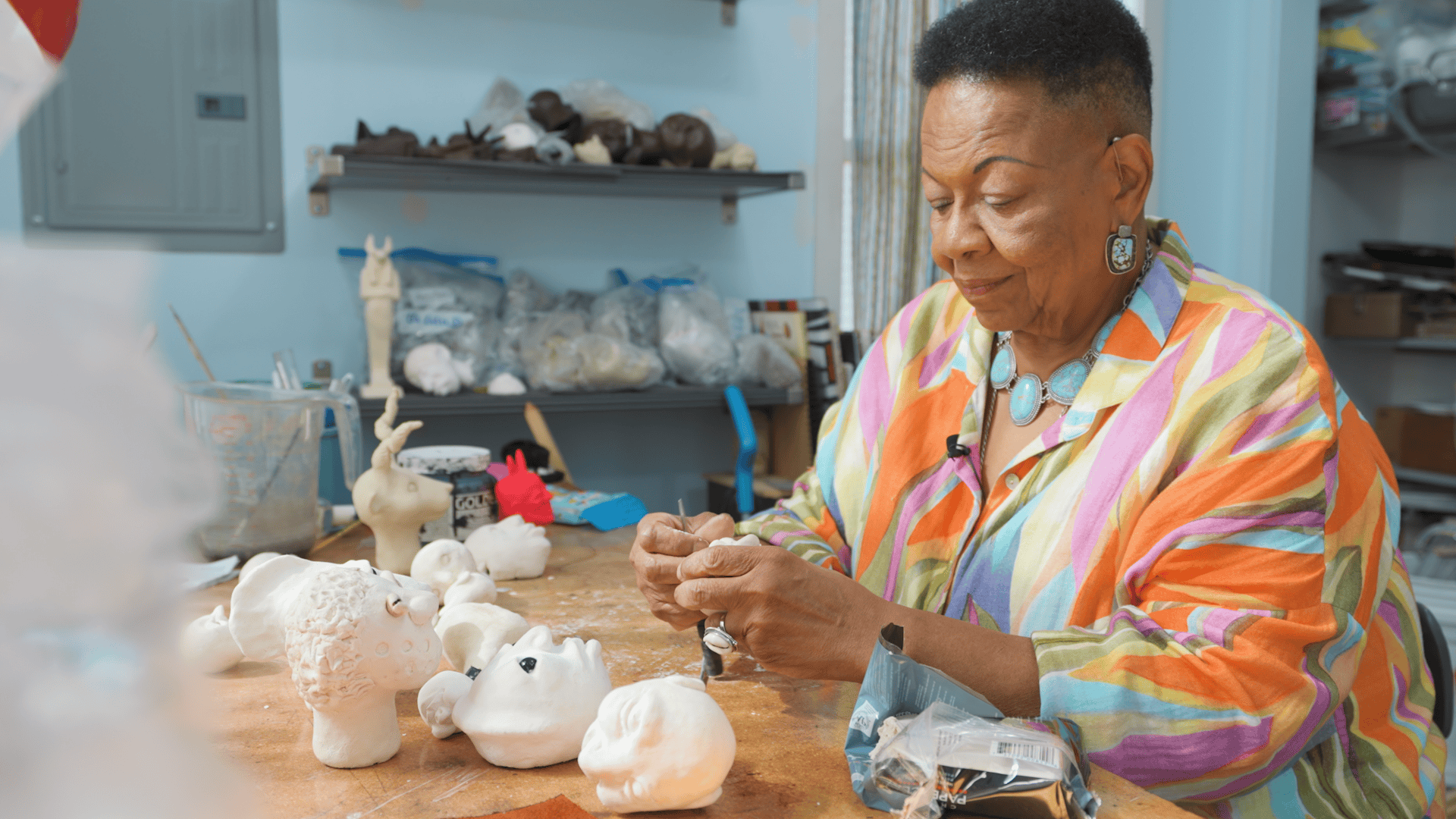
Not only is Harry, who has immersed himself in Peto and the museum for decades, an ideal person to tell Peto’s story, but he is a significant artist himself. During filming we learned that the two artists share a love of common everyday objects. In the case of Peto, it might manifest in the beauty found in worn out postcards; for Harry, it’s an ability to turn paper chopstick wrappers, for example, into graceful kimonos.
After training as a weaver in art school, Harry opened a weaving studio in Island Heights which expanded into a toy and antiques store. Over the years his art practice evolved off the loom and into three dimensional forms using upcycled materials and, yes, common everyday objects.
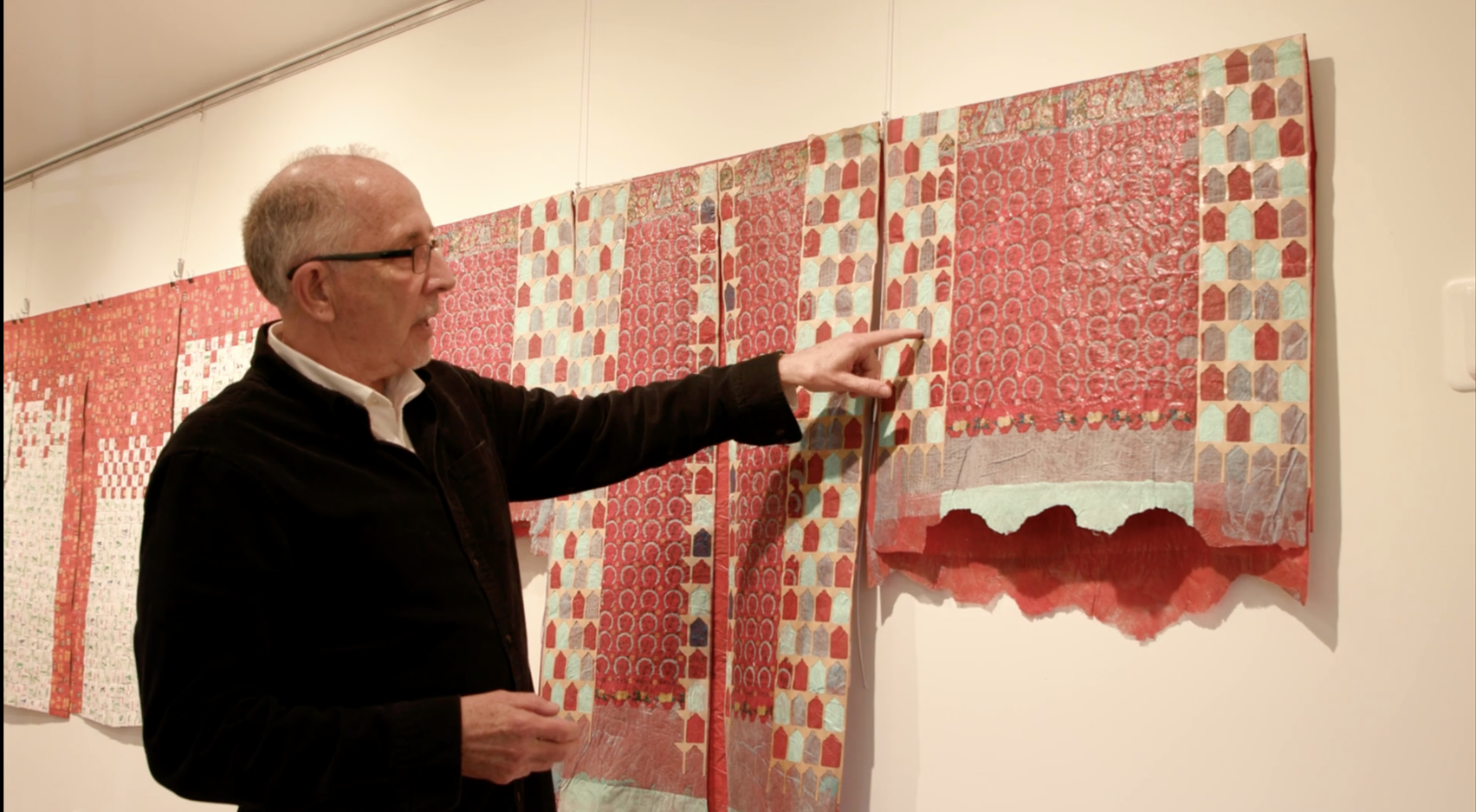
Artist Harry Bower at an exhibition of his work
I also learned that the Princeton University Art Museum had recently acquired a Peto painting in honor of art historian John Wilmerding (1938-2024), whose 1983 monograph on Peto remains the standard scholarly source on the artist. This led us to Princeton University Art Museum’s John Wilmerding Senior Curator of American Art Karl Kusserow, who had recently written in the museum’s quarterly that, in 1880, still-life painting “experienced a singular efflorescence owing largely to the work of John Frederick Peto.”
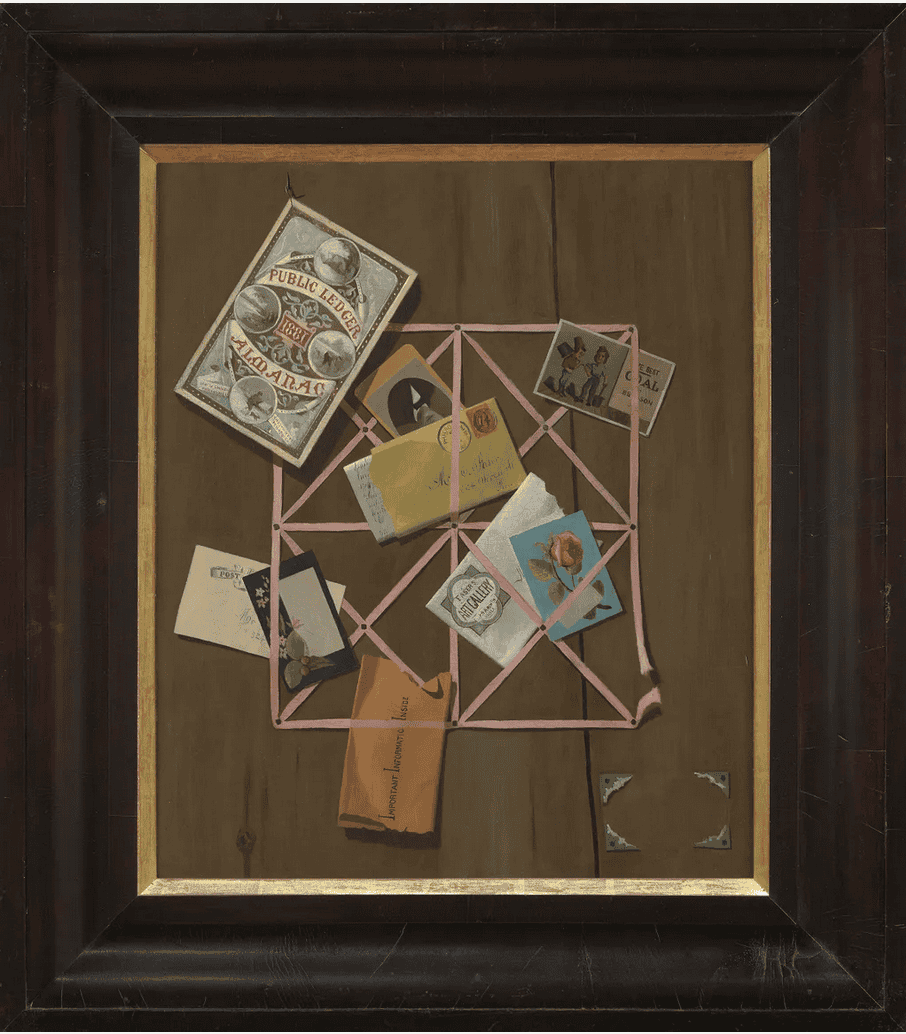
Important Information Inside, on view and in the collection of Princeton University Art Museum, is also titled Office Board for Christian Fraser. | Image courtesy of Schoelkopf Gallery, New York
The painting the museum acquired, Important Information Inside, is an example of Peto’s “rack paintings”—images inspired by boards with ribbons tacked into a square to hold notes, letters, and ephemera, “represented by the artist in minutely detailed compositions that are at once aesthetically attractive and iconographically meaningful,” wrote Kusserow. The painting’s title is also the title of Wilmerding’s 1983 monograph, and comes from the words “Important Information Inside” printed on a small, worn envelope tucked into the ribbon. The envelope is torn open at both ends, and obviously has nothing inside.
Perhaps Peto’s irony and humor was too subtle to be recognized in his lifetime, but today it is celebrated.
Contributing Producer, State of the Arts
Don’t miss our story about the John F. Peto Studio Museum, premiering on State of the Arts on Wednesday, June 22 at 8:30 pm, online and on air.