“Remember his name. Remember his story. It is on all of us, especially those who live inside his wonderful creations, to make sure that the struggle for light will never be a struggle again.”
– Frank Godlewski, architectural historian and designer
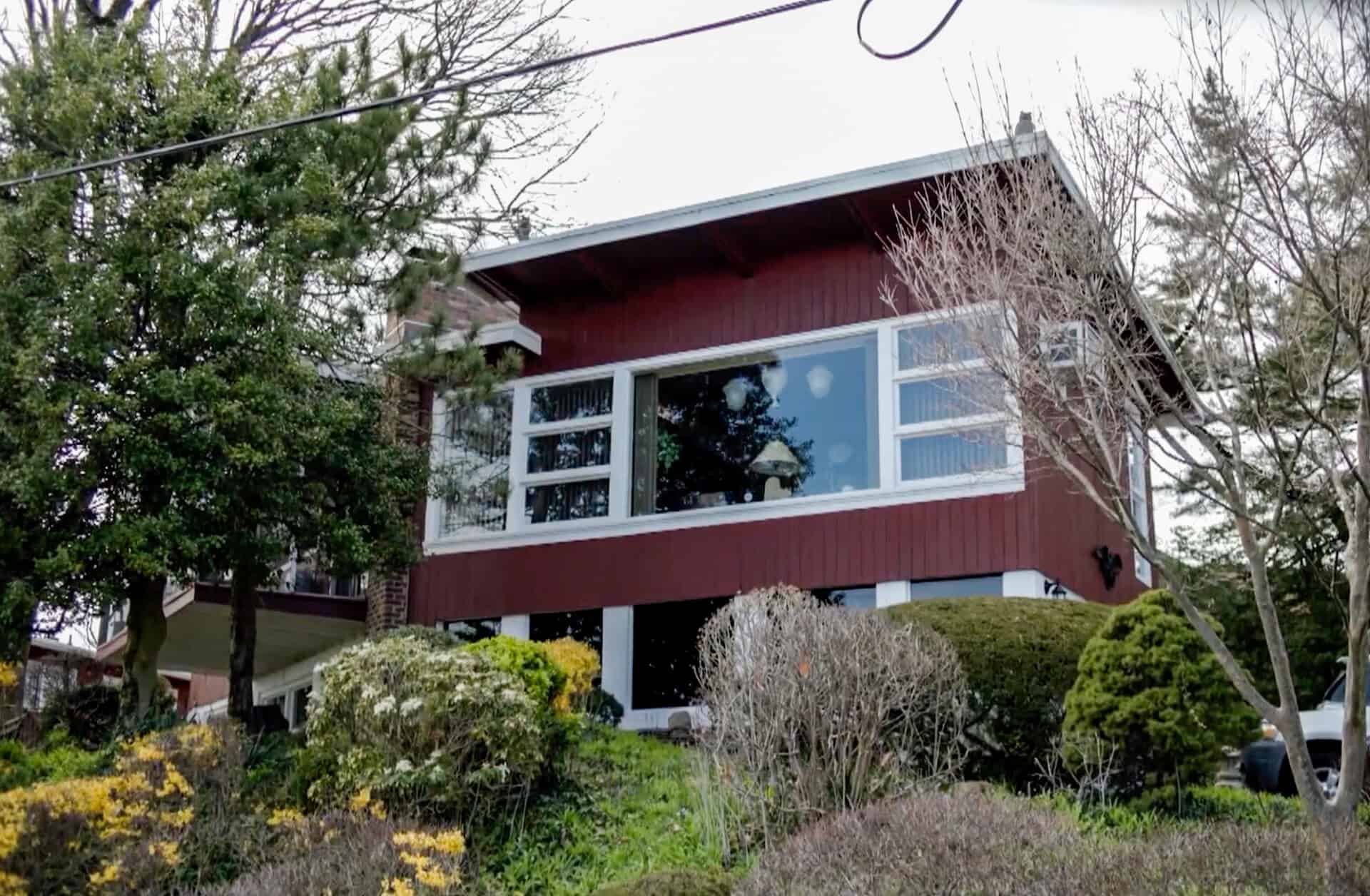
You are walking around a New Jersey neighborhood, enjoying the fresh air, when a house catches your eye. There’s something special about it that you can’t quite put your finger on. The satisfying geometry, the soothing colors, the clean repetition of line. After appreciating the house, you carry on with your walk, but the building remains on your mind for the rest of the day.
That’s the effect that a Bowser House will have on you.
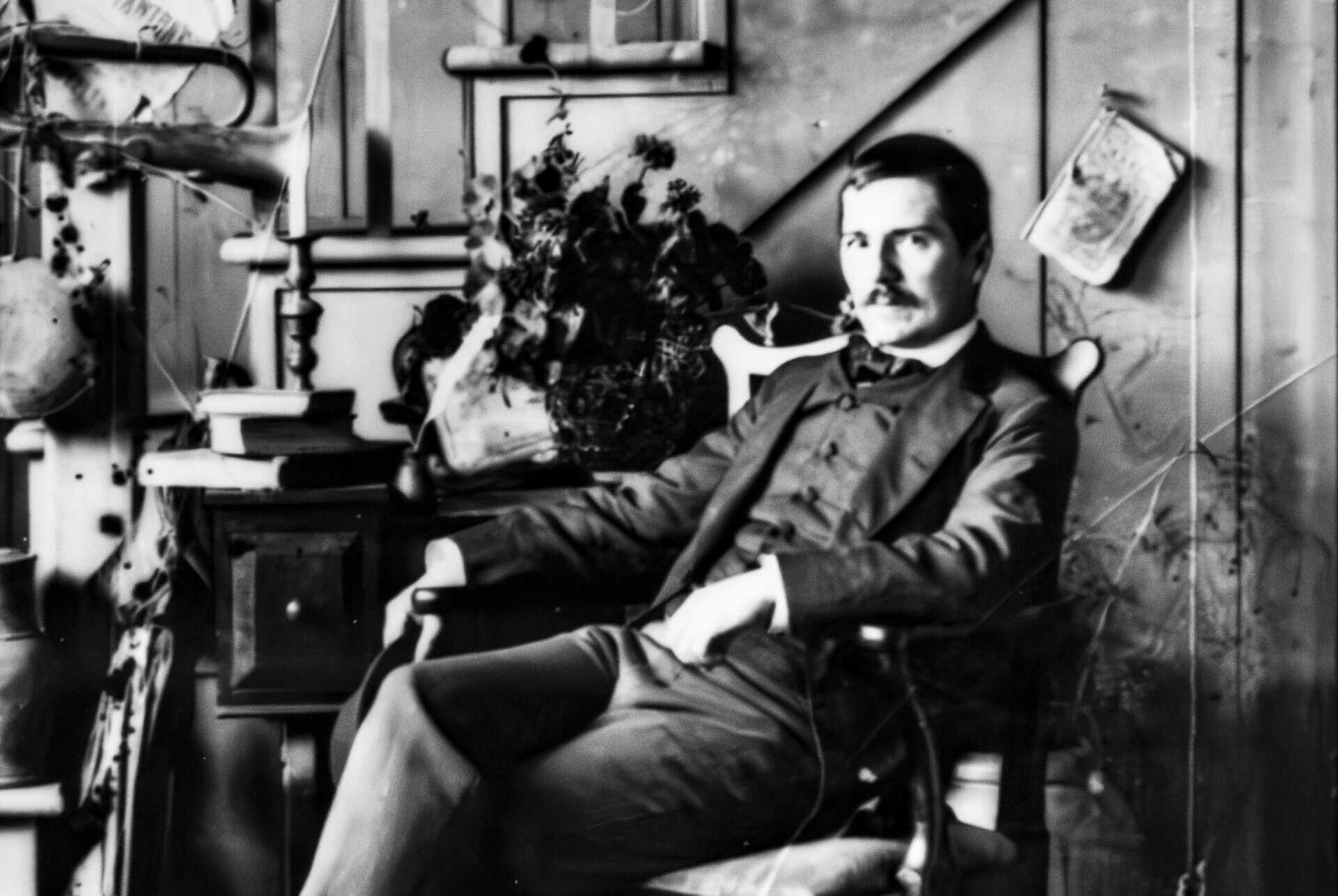
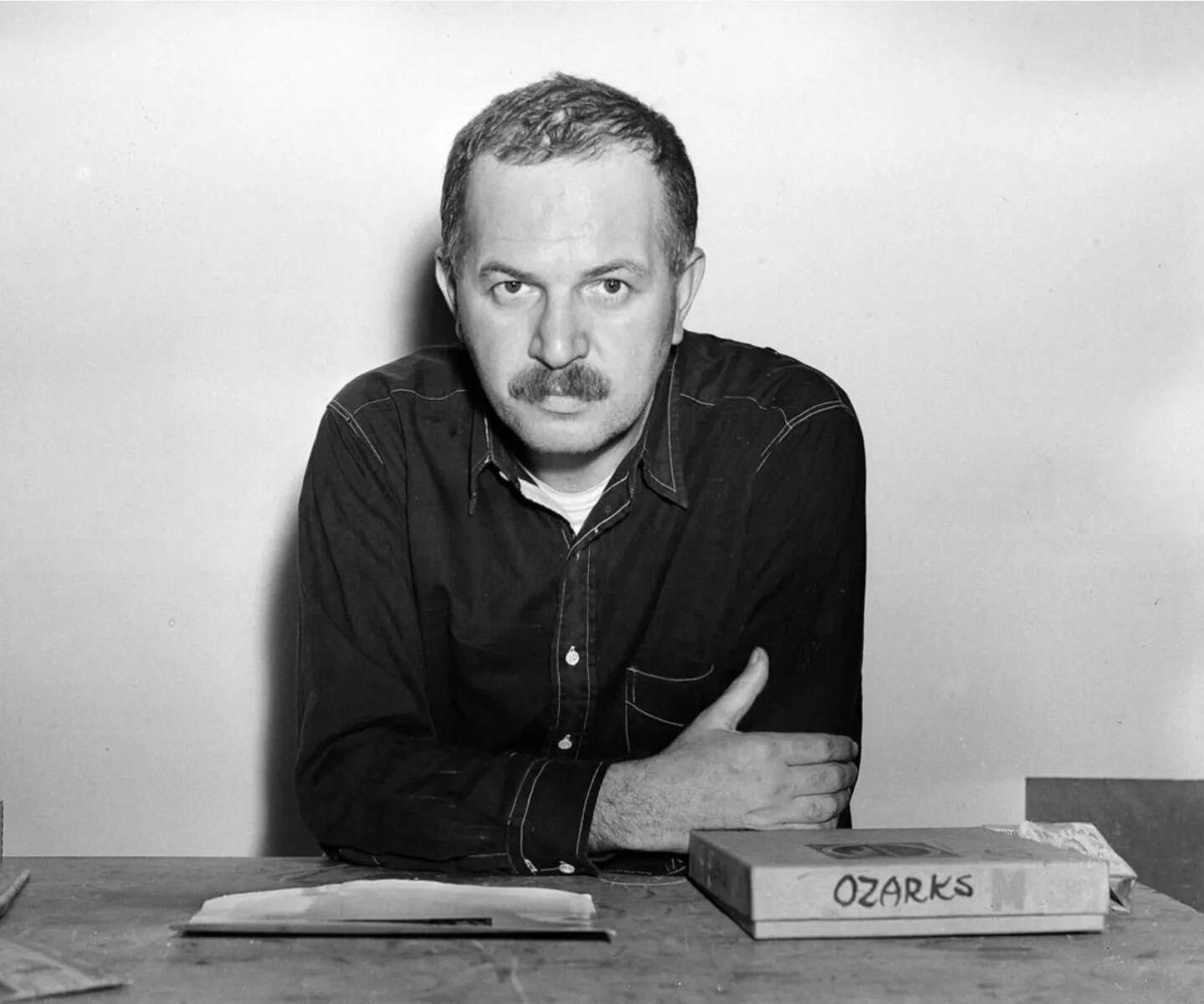
Edward T. Bowser, Jr.’s midcentury modern designs are tucked away in some lucky North Jersey suburbs. Though always appreciated for their beauty, until recently, many residents did not know their dwellings’ full history.
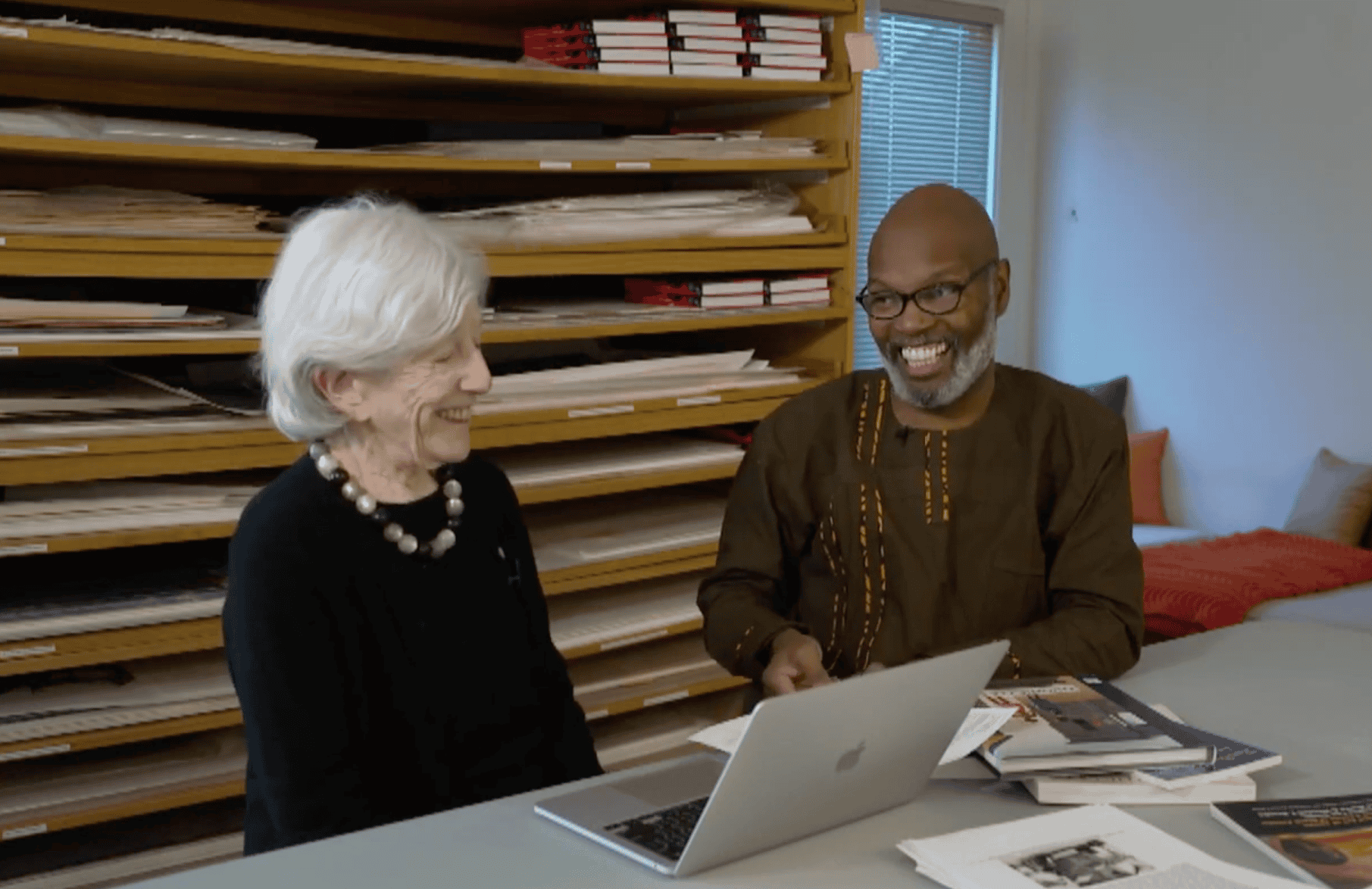
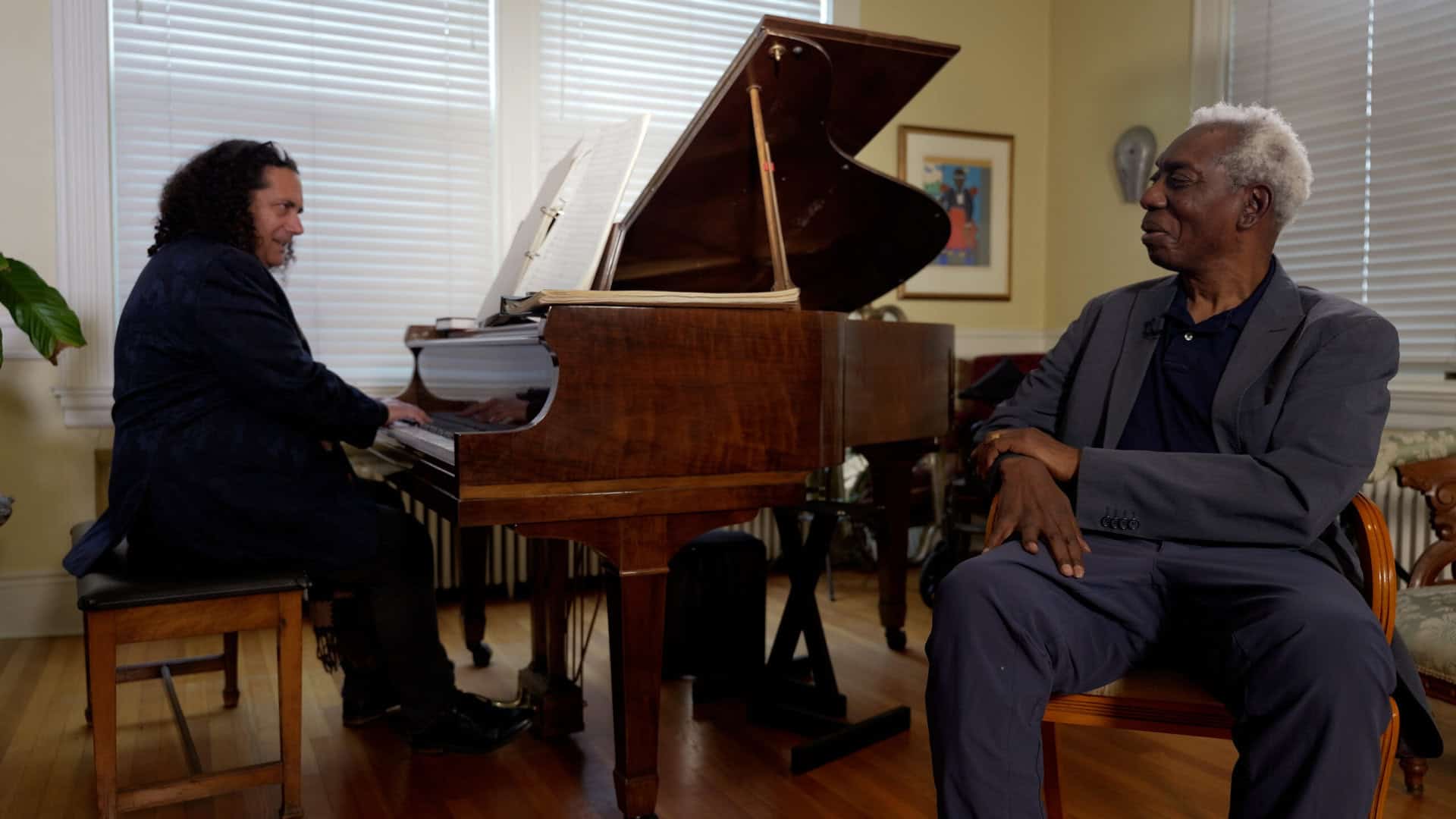
“It’s a contemporary house, but where it distinguishes itself is in the warm and brilliant details.” Frank Godlewski, architectural historian and resident of a Bowser-designed home, describes his house with a deep sense of respect. A conversation between Godlewski and Alan Bowser, the architect’s nephew, brings us on a journey through history, noting how a young Bowser reached out to the renowned Le Corbusier himself and traveled to France to apprentice with him. He then returned to Jersey and immediately set to work on his designs.
But despite this opportunity—and his obvious talent and gumption—discrimination raised its walls. Bowser was not permitted to get an architectural license in New Jersey as a Black man. “It was a tough environment to be a professional,” his nephew says, “and the fact that he later got his national architectural license shows that he must have been an exceptional guy.”
Exceptional indeed, and his homes remain beloved in New Jersey, where his story continues to be told through the efforts of the people who live in them.
Architecture, undeniably, is an art. You are keenly aware of that sentiment when you step into a Bowser house. Light surrounds you, textures are curated, colors play in the wooden ceilings, and sound carries itself gently on the cork floors. But what happens when artists and architects work together in a more direct collaboration?
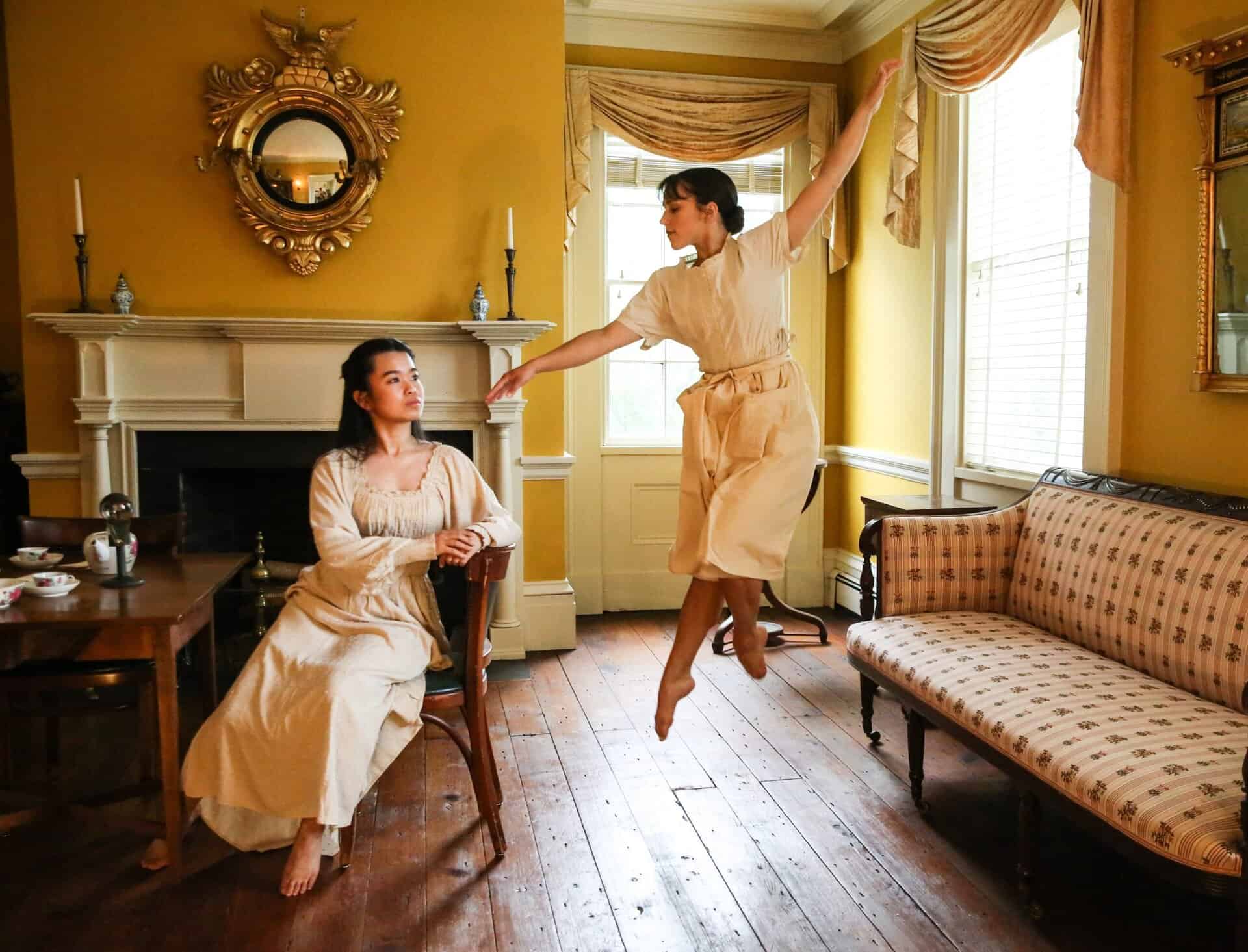
To find out, Steven Holl Architects, the firm behind Princeton’s Lewis Arts complex, worked directly with choreographer Jessica Lang to create Tesseracts of Time in 2015. “I saw the collaboration as a conceptual merging of ideas,” says Dimitra Tsachrelia, the design director for the dance, who is also a dancer and architect herself.
Jessica Lang was immediately inspired when talking with Steven Holl about his process. She explains, ”Dance, to me, is architecture. It’s architecture of people moving through space, in a mathematical way with momentum and speed… For me, it’s about exploring space.” Just as when Bowser wielded light and geometry in his timeless homes, architecture becomes a piece of art that you can step right into.
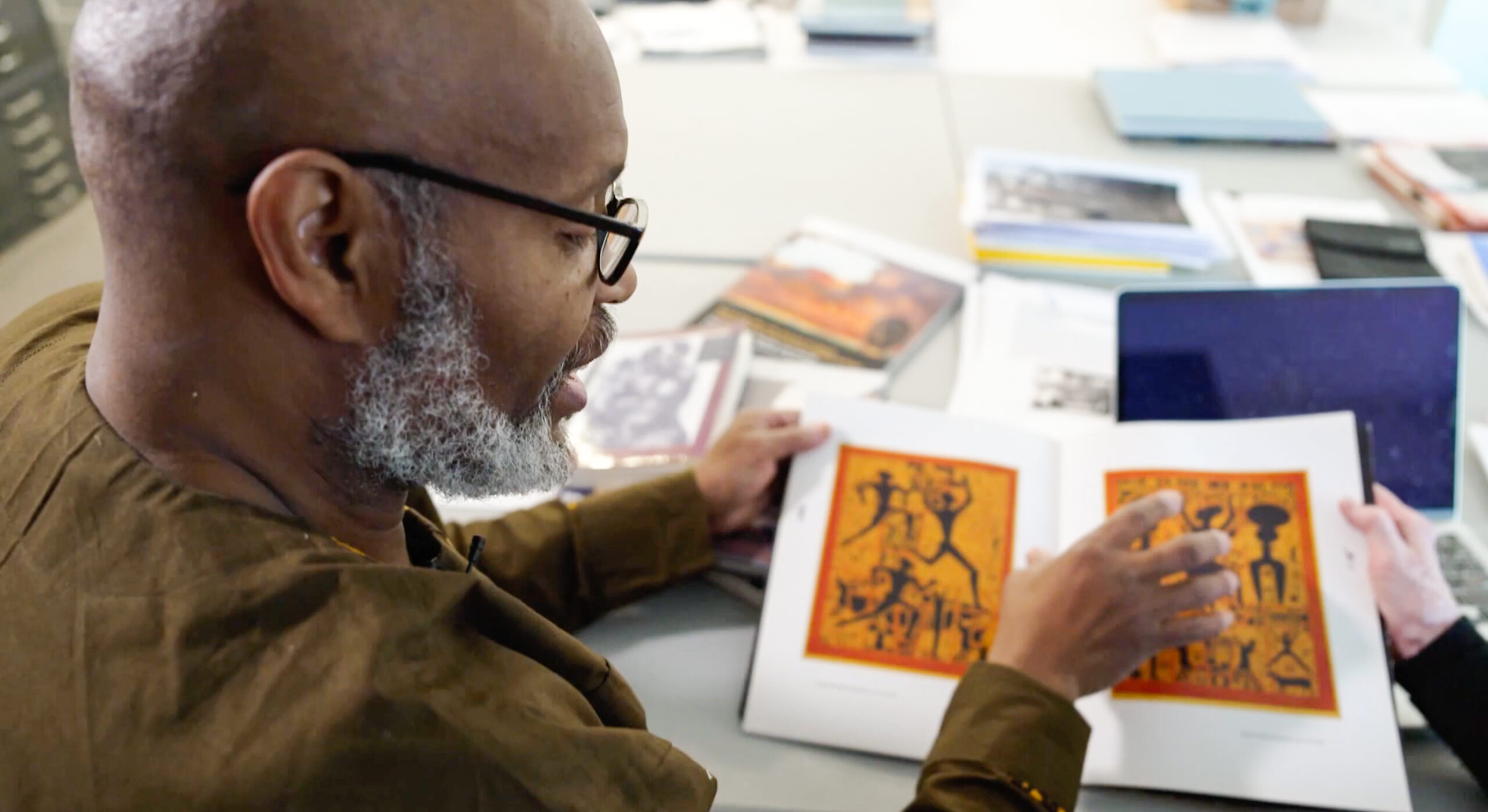
Photographer Brian Rose also uses architecture as an ingredient in his art. State of the Arts met him in Atlantic City, which he documented in response to the 2016 election. “Atlantic City, for me—although I’m using it as a symbol or a metaphor for a lot of things—I see it as a real place, and I see that there are real people here doing things,” he tells us.
Rose walks us through town, from a subway shop to casinos to the sand dunes, noting the lasting detrimental affects of Trump’s era in the city. In fact, photo-eye reviewer Blake Andrews notes in his review of Rose’s photobook Atlantic City, “The tone is post-apocalyptic or, if you prefer, post-Trump.” Previously, Rose photographed the World Trade Center and Berlin, before and after the Wall—he is consistently drawn to the use of architecture as metaphor in his work.
As Rose puts it, “I want the pictures to have a certain openendedness—that’s not a closed kind of world, but one that allows the viewer to bring his or her own viewpoints and experiences to the pictures.” The collaboration between art and architecture not only allows for a story to be told, but begs for more stories to be made within these spaces. Architecture and art, after all, both have a knack for inviting us in.